


WhatsApp just made great CX feel effortless by bringing voice into chat.
The platform recently launched the WhatsApp Business Calling API, a feature that lets brands make and receive voice calls right inside chats. Now, businesses and customers can switch from text to talk in seconds, with just one tap.
It removes the friction of hopping between apps or losing context mid-conversation, unlocking a major leap in CX efficiency.
At first glance, it might seem like a small update. But its impact on how sales, support, and engagement teams connect with customers is massive, making every touchpoint more human, seamless, and high-converting.
In this post, we’ll explore 10 powerful ways to use the WhatsApp Business Calling API to elevate your customer journey with Swiftsell.
TL;DR
- The WhatsApp Business Calling API brings real-time voice into chat, making customer interactions faster, clearer, and more personal.
- It closes support gaps across complex queries, urgent issues, onboarding, and post-sale follow-ups within one trusted app.
- Sales and marketing teams can revive abandoned chats, qualify leads instantly, and nurture prospects through timely, human conversations.
- With one unified platform for calls and messaging, operations become more efficient, costs drop, and full customer context stays intact.
- Paired with Swiftsell, businesses can automate call routing, arm agents with instant insights, and create seamless, high-impact customer journeys.
WhatsApp Business Calling use cases you need to implement
Here are some ways in which we recommend using WhatsApp Business Calling:
1. Enhanced customer support
Traditional customer support often breaks right where it matters most, the handoff. A customer chats with your bot or agent on WhatsApp, hits a complex issue, and suddenly gets redirected to a helpline or email thread.
That’s where context is lost, waiting begins, and frustration builds. Every time a customer has to repeat themselves, the experience feels a little less personal.
With the WhatsApp Business Calling API, unresolved support no longer needs to be redirected. Agents can hop on a quick call within the same thread, with full access to previous messages, files, and notes. It turns fragmented conversations into smooth, real-time resolutions, going from “Here’s what you should do next” to “Let me fix that for you right now.”
How this helps:
- Keeps context intact without the hassle of repeating details across channels.
- Speeds up resolution by switching from chat to call in seconds.
- Makes customer support feel personal and proactive.
In practice: A patient messaging a dental clinic about an urgent appointment can instantly switch to a call, confirm availability, and receive booking details, all within the same WhatsApp chat. What once took 30 minutes and two disconnected touchpoints now takes just five minutes in one seamless thread.
2. Real-time voice assistance for high-value transactions
When it comes to large payments, policy approvals, or high-stakes medical appointments, there’s no room for confusion or delay. Yet, these interactions often drag through long email threads or support tickets, slowing decisions and adding stress in moments that demand clarity and trust.
The WhatsApp Business Calling API lets businesses connect with customers right at the moment a transaction needs a human touch.
A quick voice call within WhatsApp helps confirm details, verify identities, or explain complex terms, while keeping the interaction inside a secure, familiar platform. It’s faster than email and more personal than text, striking the perfect balance between speed and assurance.
How this helps:
- Adds a human layer of trust during high-value or sensitive transactions.
- Speeds up decision-making with instant clarification and verification.
- Keeps the experience transparent and secure within one platform.
Example: Think of a customer applying for a personal loan. They pause midway through the process, unsure about a clause. So, instead of dropping off or waiting for a callback, a relationship manager calls them within the same WhatsApp chat, explains the terms, and finalizes the approval on the spot.
The experience feels seamless, transparent, and immediate, exactly what a high-value moment demands.
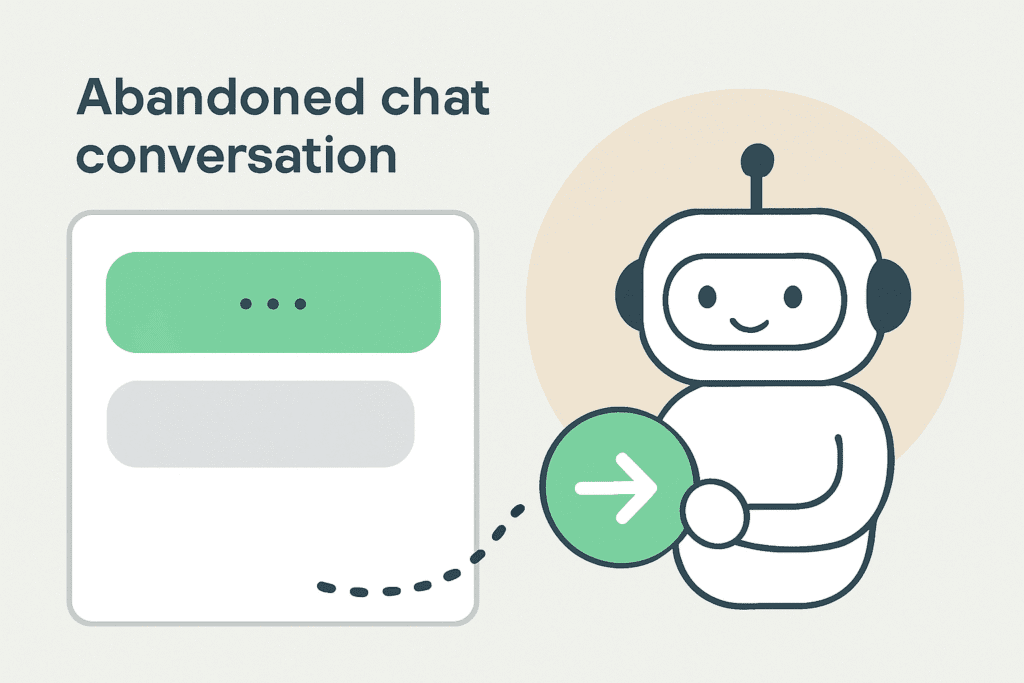
3. Abandoned chat conversion
Every business knows the frustration of half-finished chats and abandoned carts. A customer shows strong intent, asks the right questions, and then disappears. Traditional follow-ups through reminders or emails often go unseen, the momentum fades, and the conversion slips away.
Sales or support teams revive that conversation through a quick, context-rich voice call using Business Calling. Agents can clarify doubts, offer tailored discounts, or simply reassure customers with a human touch in the same WhatsApp thread. What would’ve been a cold outreach turns into a warm continuation of an active chat.
How this helps:
- Brings back potential customers before interest fades.
- Converts cold follow-ups into personal, context-driven conversations.
- Increases conversion rates by resolving friction points in real time.
For instance, a customer chats with a healthtech brand about a smart glucose monitor but abandons the cart midway. The team proactively switches to a quick WhatsApp call, clears doubts about compatibility and warranty, and even offers a limited-time discount, turning hesitation into a confident purchase without needing a full remarketing campaign.
4. Instant lead qualification & nurturing
In today’s crowded markets, speed is everything. Waiting even a few hours to qualify a lead can mean losing it to a faster competitor. Traditional follow-ups through email or chat slow things down and make interactions feel transactional rather than personal.
With the WhatsApp Business Calling API, businesses can instantly reach out to high-intent leads the moment they engage. A quick, contextual call within the same chat thread helps teams verify needs, answer objections, and guide prospects toward the right solution in real time. It transforms cold follow-up into a warm, trust-building interaction that accelerates the pipeline.
How this helps:
- Engages leads at the peak of their interest, reducing drop-offs.
- Enables faster qualification and shorter sales cycles.
- Builds early trust through real-time, personalized conversations.
5. Streamlined customer onboarding
Onboarding has the power to turn first impressions into lasting relationships, if done right. But when instructions or setups get complicated, that golden opportunity is often lost. Chat alone can feel limiting for products or services that need demonstrations or nuanced explanations, leading to frustration or drop-offs.
Brands can make onboarding more human and hands-on with WhatsApp Business Calling. Teams can call customers directly within WhatsApp to walk them through complex steps, explain features, or troubleshoot setup issues in real time. This blend of personal guidance and contextual continuity helps customers get started confidently.
How this helps:
- Makes onboarding more interactive and human.
- Reduces drop-offs by resolving setup friction instantly.
- Builds early trust and confidence for long-term retention.
For example, a FinTech company could guide new users through KYC verification in minutes, or an insurance provider could explain policy coverage on a quick voice call. By integrating voice into onboarding, businesses shorten activation time and set customers up for long-term success from day one.
6. Emergency & urgent support
When time is critical, like a system outage, a missed delivery, or a billing glitch, panic can set in quickly. Nobody wants to wait for ticket numbers or automated chat responses. Traditional support queues often slow things down just when customers need quick, human attention.
The ability to switch from text to voice within the same chat gives support agents the means to address emergencies head-on. Agents can assess situations faster, provide live troubleshooting, and reassure customers in real time, with full context from previous messages and attachments. It’s quick, human, and exactly what crisis moments demand.

How this helps:
- Cuts response time during urgent or high-stress situations.
- Builds trust by offering instant, human reassurance.
- Prevents escalation and strengthens customer confidence.
7. Interactive customer engagement
Some experiences need more than text to shine, like a virtual property tour, a live demo, or a product walkthrough. Real engagement happens when customers can talk to humans and build connections. Static text or pre-recorded videos often miss that two-way energy that builds excitement and trust.
Brands can use WhatsApp calls to host real-time, conversational experiences without sending customers to another platform. A quick call can turn a curious lead into an active participant, helping them explore features, ask spontaneous questions, and get personalized answers in the moment.
How this helps:
- Makes engagement sessions interactive and human.
- Builds excitement and emotional connection with prospects.
- Keeps customers inside one trusted, frictionless channel.
8. Post-sale support & upselling
After a purchase, customers often have questions or need reassurance before they fully embrace the product. Chat or email alone can make these moments feel slow or transactional, missing the chance to strengthen loyalty or spark repeat interest.
Businesses can offer quick, human follow-ups right where the purchase began, creating remarkable after-sales experiences. A short call can help resolve setup issues, collect feedback, or introduce complementary products naturally within the same trusted chat thread.
How this helps:
- Strengthens customer relationships with personal, timely touchpoints.
- Turns post-sale interactions into opportunities for upsell or retention.
- Keeps customers supported without shifting between channels.
A clinic, for example, could call patients after a treatment or consultation to check on recovery, address side effects, and recommend suitable follow-up care or wellness plans.
9. Accessibility & personalization
Not every customer prefers typing or navigating complex chat flows. For visually impaired users, elderly customers, or those less comfortable with technology, text-based communication can feel more like a hurdle than a help.
With the WhatsApp Business Calling API, businesses can offer a more inclusive and intuitive experience. A quick call can help walk customers through steps they’d struggle to follow in chat, like activating services or clarifying billing details.
How this helps:
- Makes customer service accessible to every user, regardless of tech comfort.
- Builds trust through empathy and personalized guidance.
- Reduces friction and drop-offs caused by complex chat interactions.
For instance, a healthcare provider could use voice calls to confirm appointments for elderly patients who may miss chat notifications.
10. Cost & efficiency optimization
Managing separate systems for messaging, voice, and support often creates friction, missed calls, delayed responses, and scattered data. It’s not just inefficient; it raises operational costs and hurts the overall customer experience.
The WhatsApp Business Calling API simplifies it all by unifying calls and messages in a single ecosystem. It eliminates the need for external dialers, reduces manual coordination, and ensures every interaction stays logged in the same customer thread.
How this helps:
- Cuts operational costs by replacing multiple tools with one.
- Keeps customer data unified for seamless handoffs and follow-ups.
- Boosts agent productivity and response speed with full conversation context.
For example, a lending platform can verify loans, remind customers of repayments, and resolve support queries within WhatsApp, saving customers the hassle of juggling multiple tools while helping agents maintain full context.
Conclusion
The launch of the WhatsApp Business Calling API opens up a new era of real-time, personal, and high-impact customer engagement.
And with Swiftsell, businesses can take it even further.
Swiftsell’s AI agents and knowledge base integration give you everything you need to deliver a remarkable customer journey across onboarding, urgent support, post-sale engagement, and so on, with better context, precision, and a human touch.
We can help you automate call routing, empower agents with instant insights, and create experiences that feel effortless for customers and efficient for your team.
Ready to transform your customer journey with voice?